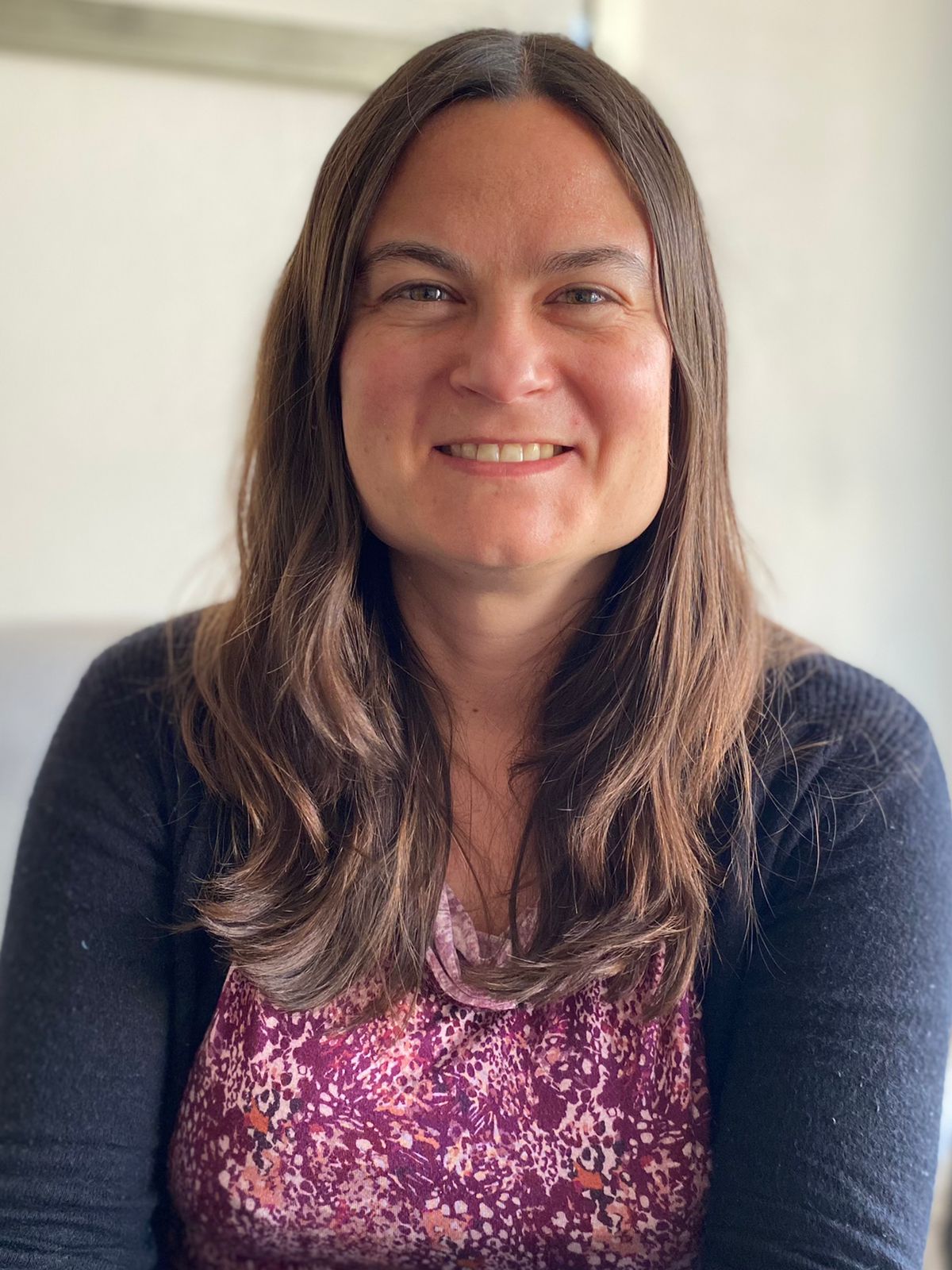
Claudia Capella Sepúlveda
Claudia Capella is a psychologist (2003) and Ph.D. in Psychology (2011), both from the University of Chile. She also holds a Postgraduate Diploma in Forensic and Legal Psychology from Diego Portales University and a Master of Science in Child and Adolescent Mental Health from the Institute of Psychiatry at King’s College London, University of London, UK. In addition, she has completed clinical training in Mentalization-Based Treatment (MBT) for children, adolescents, and families, certified by the Anna Freud National Centre for Children and Families.
Since March 2009, she has been a faculty member in the Department of Psychology at the University of Chile, specializing in Child and Adolescent Clinical Psychology. She is actively involved in both undergraduate and graduate teaching and has supervised numerous theses at the undergraduate, master’s, and doctoral levels. Between 2010 and 2014, she served as academic coordinator of the Master’s Program in Psychology with a specialization in Child and Adolescent Clinical Psychology, and from 2019 to 2021, she was coordinator of the Doctorate in Psychotherapy, a joint program between the University of Chile and the Pontificia Universidad Católica de Chile. She is currently an associate researcher at the Millennium Institute for Research on Depression and Personality (MIDAP).
As a clinical psychologist, she has worked with children and adolescents in both public and private settings, focusing on direct intervention and clinical supervision—particularly in psychodiagnostic assessment and psychotherapy for children who have experienced sexual abuse. Her main professional and research interests lie in child and adolescent clinical psychology and sexual abuse. She leads a research team focused on psychotherapy processes with children and adolescents who are survivors of sexual abuse.
Her work emphasizes the importance of incorporating the voices of children, adolescents, families, and therapists to understand processes of therapeutic change. She uses participatory qualitative methods, observational techniques, and quantitative measures in her research. Recently, she was awarded the Irene Elkin Mid-Career Achievement Award by the Society for Psychotherapy Research (SPR) in recognition of her contributions to the field of psychotherapy research.